Stay Informed: Understanding Weather, Earthquake, and Tsunami Alerts

Recent Flood Event in Zambia
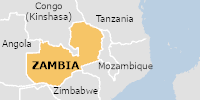
On September 1, 2026, Zambia experienced a flood that, fortunately, resulted in no fatalities but displaced 2,260 individuals. This information, sourced from the Global Disaster Alert and Coordination System (GDACS) and its partners, is preliminary and subject to updates as more data becomes available. Regardless of the alert level, it is crucial to stay informed, adhere to official guidance, and review your local preparedness plans.
Importance of Preparedness and Reliable Information
In times of natural disasters, being prepared can significantly impact your safety and well-being. Always rely on information from trusted sources and avoid spreading or believing in rumors. Official alerts from local authorities should be your primary guide.
Steps to Stay Safe and Prepared
1. Stay Calm and Informed: Keep a clear mind and regularly check updates from reliable sources.
2. Follow Local Authority Guidance: Adhere to instructions from local officials and emergency services.
3. Review Preparedness Plans: Ensure your emergency plans are up-to-date and that all family members are aware of them.
Global Context and Recent Events
With climate change contributing to more frequent and severe weather events, understanding the global context is essential. For instance, recent data shows an increase in the frequency of extreme weather patterns worldwide, emphasizing the need for heightened awareness and preparedness.
Conclusion: Proactive Measures for Safety
By staying informed and prepared, you can protect yourself and your loved ones during natural disasters. Remember, the key is to remain calm, follow official alerts, and avoid misinformation. Your proactive approach can make a significant difference in ensuring safety and resilience in the face of nature’s challenges.
