U.S. Shifts Away from Global Organizations

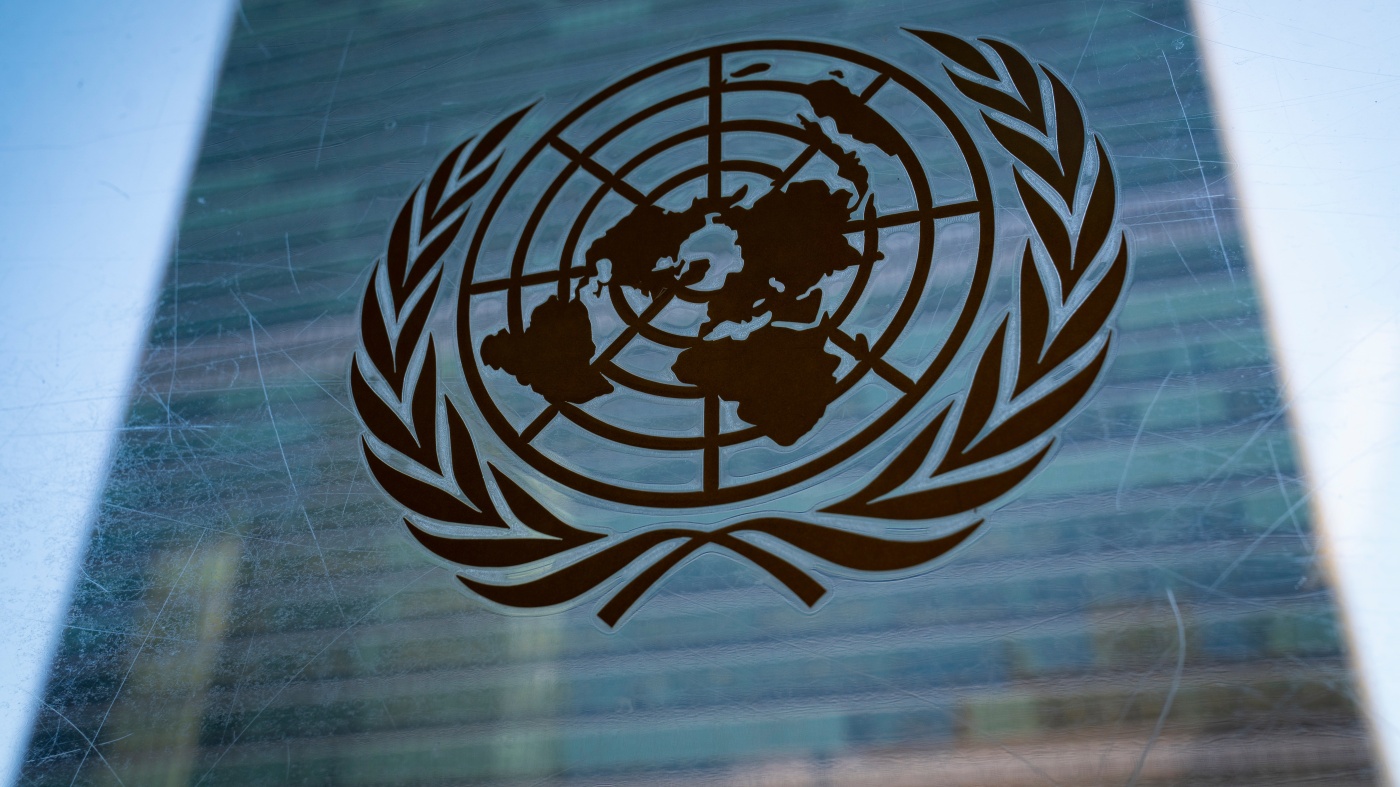
The United Nations emblem is prominently displayed outside its Secretariat Building as of February 28, 2022. Image Credit: John Minchillo/AP
WASHINGTON – In a significant move, the Trump administration has decided to pull out from numerous international bodies, including the U.N.’s population agency and the climate treaty that facilitates global climate discussions. This marks a further step back from international collaboration.
Executive Order to Withdraw Support
President Trump signed an executive order on Wednesday, halting U.S. involvement with 66 international entities. This decision follows a comprehensive review of U.S. participation and funding for global organizations, particularly those linked to the United Nations, as stated in a White House announcement.
The majority of these organizations are U.N.-affiliated, focusing on issues like climate, labor, and migration, which the Trump administration has labeled as promoting diversity and “woke” agendas. Other non-U.N. entities include the Partnership for Atlantic Cooperation and the Global Counterterrorism Forum.
Rationale Behind the Withdrawal
According to Secretary of State Marco Rubio, these organizations are seen as redundant, mismanaged, or contrary to U.S. interests. The administration views them as threats to national sovereignty and prosperity.
This decision aligns with the administration’s broader strategy of military actions and diplomatic threats, such as targeting Venezuelan leader Nicolás Maduro and expressing interest in acquiring Greenland.
Continuing the Trend of Exiting Global Bodies
Previously, the administration had already withdrawn support from entities like the World Health Organization and the U.N. Human Rights Council. This selective approach to international engagement reflects a desire for cooperation on U.S. terms.
Daniel Forti from the International Crisis Group notes this as a clear shift from previous administrations’ multilateral strategies, forcing the U.N. to adapt with staffing and program adjustments.
Many NGOs, some collaborating with the U.N., have reported project closures due to reduced U.S. foreign aid through USAID.
Focus on American Influence
Despite these changes, U.S. officials, including Trump, recognize the U.N.’s potential and aim to channel resources into initiatives where the U.S. competes with China, such as the International Telecommunications Union.
Recent Departures from Climate Agreements
The U.S. withdrawal from the U.N. Framework Convention on Climate Change (UNFCCC) is part of a broader effort to distance from climate-focused international bodies. The UNFCCC underpins the Paris Agreement, which Trump exited, dismissing climate change as a hoax.
Gina McCarthy, former National Climate Adviser, criticized this move as “shortsighted” and detrimental to U.S. economic and environmental interests.
Experts warn that U.S. withdrawal could undermine global efforts to reduce greenhouse gases, as it may encourage other nations to delay their commitments.
Impact on Global Climate Efforts
Without U.S. participation, achieving significant progress on climate change becomes challenging, given its status as a major emitter and economic power.
The U.N. Population Fund, which provides global reproductive health services, has faced Republican opposition, with Trump cutting its funding over alleged coercive practices, claims later found unsubstantiated by a State Department review.
Other organizations the U.S. plans to exit include the Carbon Free Energy Compact and the International Tropical Timber Organization, among others.
