
Is Society Really in Decline? A Fresh Look at Human Behavior
Ask a random person on the street, and they might tell you that people’s behavior is deteriorating. From bold shoplifting to playing loud music on public transport to aggression towards retail employees, there are numerous reasons to feel pessimistic about society.
Research supports this perception: a 2023 study revealed that individuals in over 60 nations believe that basic decency is waning. A 2025 survey of 9,600 Americans showed that 46% felt rudeness was on the rise, while only 9% thought it had decreased since pre-pandemic times.
Related: A Surprising Method to Encourage Kindness: Introducing Batman
Challenging Perceptions
However, perceptions can be misleading. My research delves into the accuracy of people’s views on others, the effects of these misconceptions, and the outcomes when these misperceptions are corrected.
It’s evident that some misunderstandings exist. When examining people’s values, those abstract principles guiding behavior, there are reasons to be optimistic about humanity.
A 2022 study involving 32,000 individuals from 49 cultural groups found that loyalty, honesty, and helpfulness were highly valued, while power and wealth were less prioritized.

These findings challenge the notion of moral decline. An interactive tool by social scientist Maksim Rudnev, using data from the European Social Survey, indicates that this pattern has been consistent from 2002 to 2023 across over 30 European nations.
Further research shows that values are largely similar across more than 60 countries, educational backgrounds, religious beliefs, and genders, with some exceptions. This suggests a significant overlap in responses among different groups.
Even among 2,500 Democrats and Republicans in the USA from 2021-23, or 1,500 Leave and Remain voters from the Brexit referendum in 2016-17, values were remarkably similar. This offers an alternative narrative to the perceived division and polarization in countries.
Behavior vs. Perception
One limitation of these findings is their reliance on self-reports, which can be skewed by individuals wanting to present themselves positively. But what about actual behavior?
Numerous studies indicate that most people act morally. For instance, when researchers examined real public conflicts captured by CCTV, they discovered that in nine out of ten incidents, a bystander intervened when present. These 2020 findings were consistent across the Netherlands, South Africa, and the UK.
People step in during knife or terrorist attacks, even risking their own safety. While rare, these instances show a willingness to help in extreme situations.
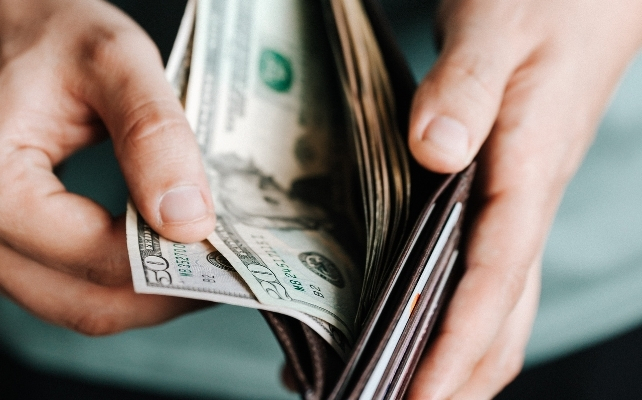
In less dramatic scenarios, people also show consideration for others. A 2019 study found that in 38 out of 40 countries, lost wallets were more likely to be returned if they contained some cash, and even more so if they held a significant amount. This likely reflects the finders’ recognition of the owner’s potential loss.
In another 2023 experiment, 200 participants from seven countries received US$10,000 (£7,500) with minimal restrictions. They spent over $4,700 on others and donated $1,700 to charity.
But how have behaviors changed over time? While few studies systematically track behavioral changes, one study found that Americans became slightly more cooperative from the 1950s to the 2010s when interacting with strangers.
Understanding Misconceptions
Why do many still believe society is morally declining? One reason is that news outlets often highlight negative events. Negative news is also more likely to be shared on social media.
For instance, studies have noted that during disasters like hurricanes and earthquakes, media often report panic and cruelty, even though people typically cooperate and support each other.
Additionally, individuals with extreme political views, whether left or right, are more likely to post online, as are bots from Russia and other places. Thus, social media doesn’t accurately represent the general population.
Of course, this doesn’t negate that a minority can cause significant harm, or that some public issues, like online child abuse, may be worsening. However, these trends don’t necessarily reflect the average person’s behavior or values.
It’s important if people are overly pessimistic about others. Those who mistakenly believe others prioritize selfish values over compassionate ones are generally less likely to volunteer or vote. This isn’t surprising: why invest in people you think won’t reciprocate?
Numerous experiments have shown that revealing to people that others share similar values and beliefs can make them more trusting and hopeful for the future. Engaging with others, whether friends, acquaintances, or strangers, can help us realize that most people are friendly, improving our mood.
Volunteering, joining local groups, or attending community events can be beneficial: helping others enhances our well-being. Finally, reading positive news or focusing on kindness can improve our outlook.
In summary, evidence suggests that moral decline isn’t occurring, even if some negative behaviors are increasing.
If we stop engaging with others, assuming they mean harm, and cease going the extra mile, we risk becoming more self-centered, leading to actual decline. Fortunately, as a society, we can shape our destiny.
Paul Hanel, Senior Lecturer, Department of Psychology, University of Essex
This article is republished from The Conversation under a Creative Commons license. Read the original article.
